-
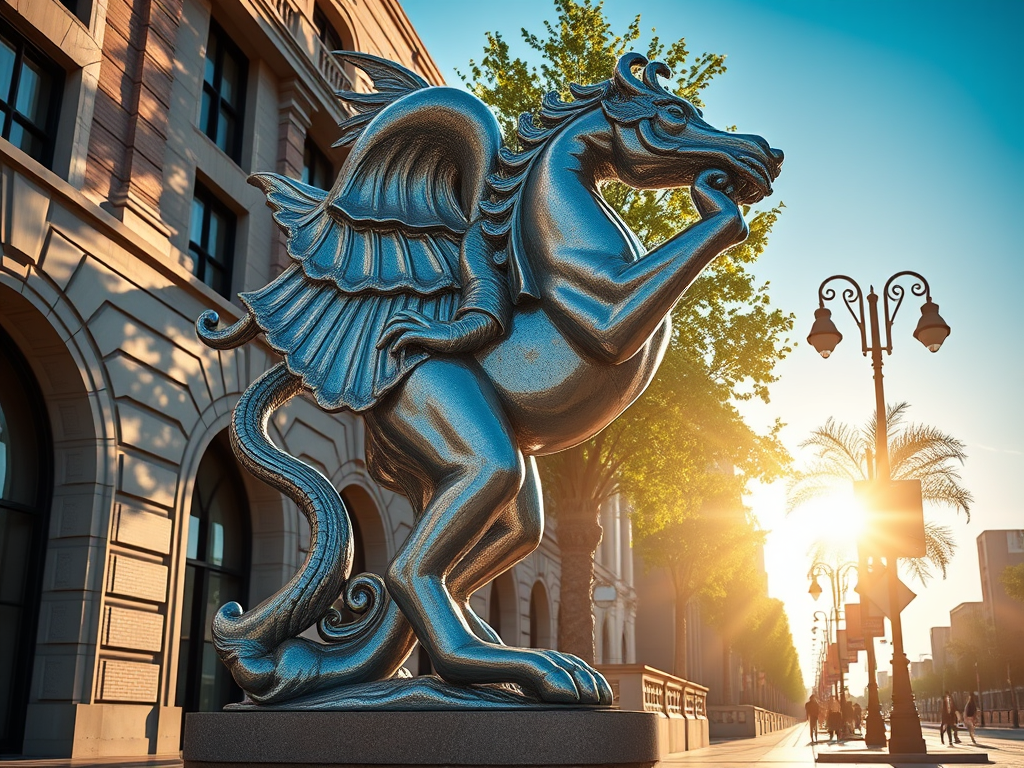 Read more: Why Art Matters: Art as a Universal Human Language
Art has always been more than decoration or entertainment. Across history and civilizations, it has served as a powerful means of communication, capable of expressing…
-
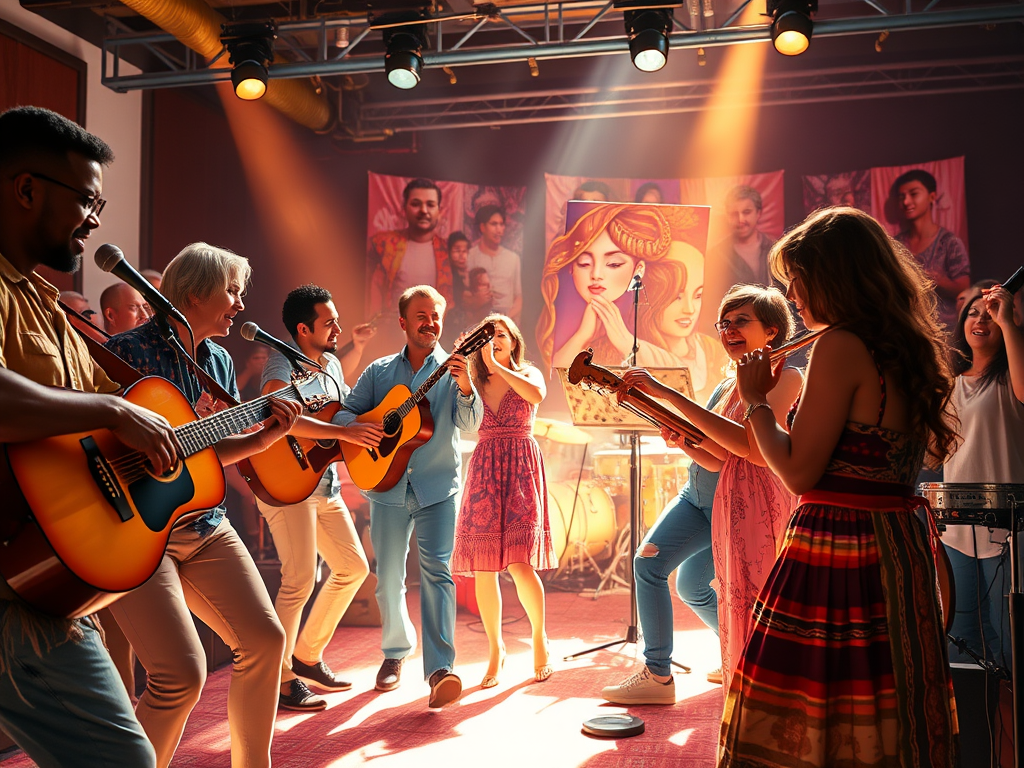
What Is Art? Exploring Its Forms and Meanings
Read more: What Is Art? Exploring Its Forms and MeaningsArt is one of the most powerful and enduring expressions of human existence. From the earliest cave paintings to contemporary digital installations, art has always…
-
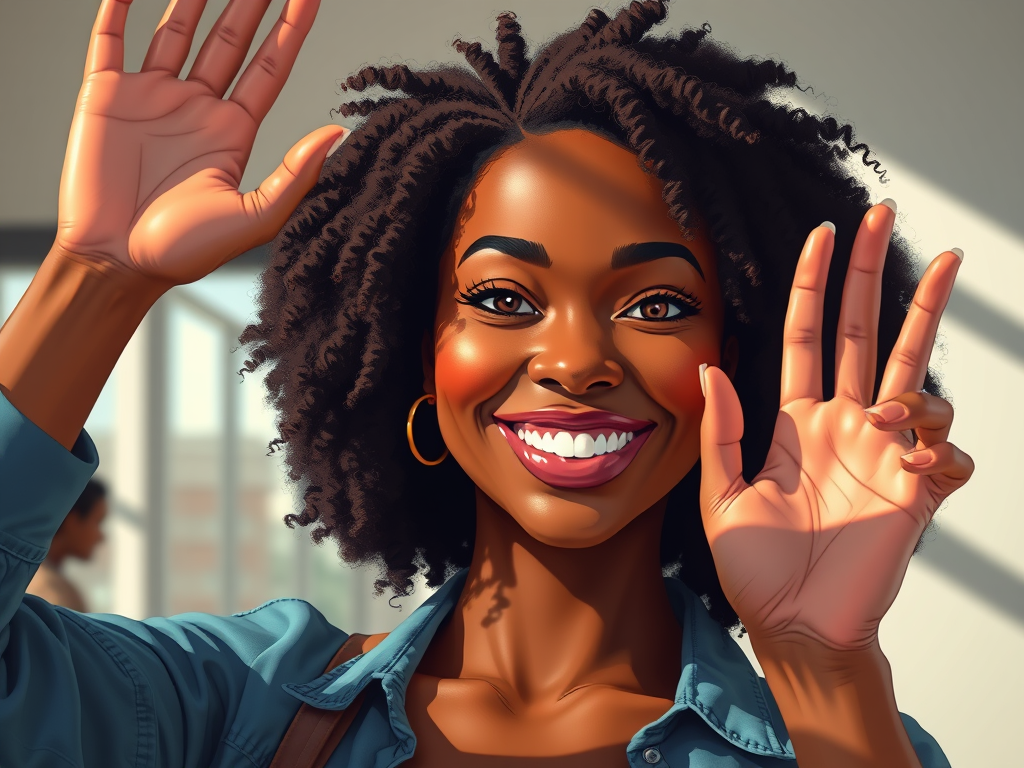
Hello Fanarts!
Read more: Hello Fanarts!Welcome to Les Arts du Monde, where global creativity unites. Here, we offer a vibrant online haven where art knows no boundaries. Immerse yourself in…
Writing Pillars
Seeing the World Through Creativity
Visual arts are among the oldest and most universal forms of human expression. Long before written language existed, humans used images to communicate ideas, beliefs, and emotions. From prehistoric cave paintings to contemporary digital creations, visual arts continue to shape how we perceive and interpret the world around us.
What Are Visual Arts?
Visual arts are art forms that are primarily experienced through sight. They involve the creation of images, objects, or environments that express ideas through color, line, form, texture, and composition. Visual arts can be representational, abstract, symbolic, or conceptual, allowing for endless creative possibilities.
Major Forms of Visual Arts
Digital & Contemporary Art push boundaries using technology, new media, and conceptual approaches.
Painting explores color, light, and surface through mediums such as oil, watercolor, acrylic, and digital tools.
Drawing focuses on line, shading, and structure, often serving as the foundation of visual creation.
Sculpture brings ideas into three dimensions using materials like stone, metal, wood, and mixed media.
Photography captures moments, emotions, and perspectives through light and composition.
Decorative Arts blend beauty and function, including ceramics, textiles, furniture, jewelry, and glass.
Why Visual Arts Matter
Visual arts preserve history, reflect social realities, and challenge perceptions. They help us see the world differently and invite us to question, admire, and reflect. Across cultures and centuries, visual arts remain a powerful mirror of human creativity.
Expression in Motion, Sound, and Time
Performing arts are living art forms that unfold in time and space. They rely on human presence, movement, voice, and sound to create shared experiences between performers and audiences. These arts are deeply rooted in ritual, storytelling, and collective emotion.
Understanding Performing Arts
Performing arts involve artistic expressions performed live or recorded, often combining multiple disciplines such as movement, music, and drama. Unlike static art forms, performing arts are dynamic and ephemeral, making each performance unique.
Main Forms of Performing Arts
- Music uses rhythm, melody, and harmony to evoke emotion and convey meaning across cultures.
- Dance communicates stories and identities through movement, gesture, and rhythm.
- Theater brings narratives to life through dialogue, acting, and staging.
- Film & Cinema combine visual storytelling, sound, and performance to create powerful narratives.
Cultural Importance of Performing Arts
Performing arts connect communities, preserve traditions, and reflect social change. They give voice to collective experiences and provide spaces for celebration, critique, and emotional expression. Across the world, these art forms remain essential to cultural identity.
The Power of Words and Imagination
Literary arts use language as a creative tool to explore human experience. Through storytelling, rhythm, and narrative, writers transform words into art that educates, moves, and inspires across generations.
What Are Literary Arts?
Literary arts encompass written and spoken forms of artistic expression. They rely on imagination, structure, and language to communicate ideas, emotions, and stories. Literature can be deeply personal or universally resonant.
Core Literary Forms
- Poetry expresses emotion and imagery through rhythm, metaphor, and form.
- Prose follows natural speech patterns and includes both fiction and nonfiction.
- Drama is written for performance, combining dialogue and action.
- Fiction creates imagined worlds that reflect real human experiences.
The Role of Literary Arts
Literature preserves memory, challenges perspectives, and fosters empathy. It allows societies to reflect on their values, histories, and dreams. Across cultures, literary arts remain a cornerstone of intellectual and artistic life.
Art That Shapes Our World
Architecture and design are art forms that directly shape human environments. They blend creativity, functionality, and cultural meaning to define how people live, work, and interact with space.
Architecture as an Art Form
Architecture is both an artistic and technical discipline. It reflects cultural values, technological advances, and social structures. Buildings are not only shelters but symbols of identity, power, belief, and innovation.
Key Architectural Expressions
- Architectural Styles reflect historical periods and aesthetic philosophies.
- Urban & Cultural Architecture shape cities, public spaces, and community life.
- Iconic Movements such as Gothic, Renaissance, Art Deco, and Modernism reveal how societies evolve over time.
Design and Human Experience
Design influences how we move, feel, and connect within spaces. Thoughtful architecture enhances quality of life, preserves heritage, and imagines sustainable futures.
Art Across Civilizations
Art does not exist in isolation. It is deeply embedded in culture, history, and collective memory. Culture and global heritage provide the context that gives art its meaning and power.
Understanding Culture Through Art
Culture encompasses traditions, beliefs, rituals, and artistic practices passed down through generations. Art serves as a record of these cultural expressions, revealing how communities understand the world.
Core Areas of Cultural Exploration
- World Traditions expressed through music, crafts, rituals, and storytelling.
- Cultural Diversity highlighting the richness of global creativity.
- Artistic Movements Across Civilizations showing how ideas travel, transform, and influence one another.
Why Global Heritage Matters
Preserving and celebrating global heritage fosters mutual understanding and respect. It reminds us that creativity is universal, even when expressions differ. Through art, humanity shares a common language that transcends borders.
Where Beauty Meets Function
Applied and decorative arts occupy a unique space in the world of creativity, where artistic expression intersects with everyday life. Unlike art created solely for contemplation, these forms are designed to be both visually appealing and functional. They shape the objects we use, the spaces we inhabit, and the aesthetic experiences of daily living.
Understanding Applied and Decorative Arts
Applied arts refer to artistic disciplines that focus on the design and decoration of functional objects. Decorative arts emphasize ornamentation, craftsmanship, and visual refinement. Together, they demonstrate that art is not confined to galleries and museums but exists in homes, cities, clothing, and tools.
These art forms require a balance between creativity, skill, and utility. Artists and designers must consider materials, purpose, ergonomics, and cultural meaning while creating objects that are both useful and expressive.
Major Forms of Applied and Decorative Arts
- Ceramics and Pottery involve shaping clay into functional and decorative objects such as vessels, tiles, and sculptures.
- Textile Arts include weaving, embroidery, tapestry, and fashion design, reflecting cultural identity and craftsmanship.
- Furniture Design blends aesthetics with comfort and structure, shaping domestic and public spaces.
- Glass and Metalwork transform raw materials into decorative and practical objects, from stained glass to jewelry.
- Fashion and Jewelry express identity, status, and creativity through wearable art.
- Graphic and Industrial Design apply artistic thinking to products, branding, and everyday tools.
Cultural and Historical Significance
Across civilizations, applied and decorative arts have played a central role in cultural expression. From African textiles and Islamic tilework to European furniture and Asian ceramics, these arts tell stories of tradition, innovation, and exchange. They often preserve techniques passed down through generations, linking craftsmanship to heritage.
Applied Arts in the Contemporary World
In today’s world, applied and decorative arts continue to evolve through technology, sustainability, and cross-cultural influence. Designers now explore eco-friendly materials, digital fabrication, and global aesthetics, redefining how beauty and function coexist. These arts influence architecture, urban design, fashion, and consumer culture.
Why Applied and Decorative Arts Matter
Applied and decorative arts enrich everyday life. They remind us that creativity is not separate from function, and that even ordinary objects can carry meaning, identity, and beauty.
 EXPR'ART